2016年2月15日 星期一

英譯中技巧系列(3): 情境動詞的翻譯

MODAL VERBS.cmap
Modal verbs的譯法不是很難的題目,因為我們係小學開始已經在學modal verbs.我覺得情態動詞的有趣之處是,每個情態動詞都有多種解釋,如果唔知,理解錯個情態動詞,便理解錯了句子。我舉10個例子:

1. Shall不只是解「將會」:


例: No matter what happen, you shall come to see me. 

這句的shall解「必須」.

例:The school rules state that no child shall be allowed out of the school during the day,unless accompanied by an adult. (學校的紀律規定,除非有大人陪同,小孩白天不得離開學校。)

這種shall的用法較為formal。

2.Should不只是解「應該」。


單看牛津字典,已睇到should有好多解釋(http://www.oxfordlearnersdictionaries.com/definition/english/should?q=should)。

例:In case you should need any help, here's my number.

呢句的should只係加強語氣,語氣更「正式」,沒有「應該」的意思。

3. Will不只是「將會」。


例:I will do everything to help you.

留意will不是只解「將來會」,也可以表示「現在會」,因為will有表示「意向」的意思。I will,即「我願意」。

4. Would不只解「會」

I would like to have coffee,即「我會要咖啡」,但would更多時候用於問題中:

Would you buy a box of rice for me?

這句解「你可否幫我買盒飯?」,would有請求旳意思。

5.Can/could不只解「能夠」。

例:You can take this money.

這句是「你可拿這些錢」,can解「可以」,表示「許可」。

也解可能:Smoking can ​cause ​cancer..(吸煙可能導致癌症。)

6. May/might不只解「可能」。

例:May I have some fish?

這句的may即問「可不否以」,也是「許可」的意思。

另外,may也有「祝」的意味,例:May you be happy.

這句解「願你快樂」。

MLA引用文獻格式3: Works cited之Books

1. 最基本動作:Lastname, Firstname. Title of Book. City of Publication: Publisher, Year of Publication. Medium of Publication.

2. 例如:Gleick, James. Chaos: Making a New Science. New York: Penguin, 1987. Print.

3. 若有兩個作者,第二個作者用First name, last name: 

Gillespie, Paula, and Neal Lerner. The Allyn and Bacon Guide to Peer Tutoring. Boston: Allyn, 2000. Print.

4. 若有三位作者或以上,可以用et al.,或列出所有作者:

Wysocki, Anne Frances, et al. Writing New Media: Theory and Applications for Expanding the Teaching of Composition.
Logan: Utah State UP, 2004. Print.


Wysocki, Anne Frances, Johndan Johnson-Eilola, Cynthia L. Selfe, and Geoffrey Sirc. Writing New Media: Theory and Applications for Expanding the Teaching of Composition. Logan:
Utah State UP, 2004. Print.

5. 同一個作者多於一本著作,第二本不用重複作者名:

Palmer, William J. Dickens and New Historicism. New York: St. Martin's, 1997. Print.

---. The Films of the Eighties: A Social History. Carbondale: Southern Illinois UP, 1993. Print.

6. 作者可以是機構: 

American Allergy Association. Allergies in Children. New York: Random, 1998. Print.

7. 如果無作者,書名代替作者名:

Encyclopedia of Indiana.New York: Somerset, 1993. Print.

8. 翻譯書的話: 

Foucault, Michel. Madness and Civilization: A History of Insanity in the Age of Reason. Trans. Richard Howard. New York: Vintage-Random House, 1988. Print.

9. 有些書有不同版本,若係編輯版本: 

Bronte, Charlotte. Jane Eyre. Ed. Margaret Smith. Oxford: Oxford UP, 1998. Print.

若係加印本:

Crowley, Sharon, and Debra Hawhee. Ancient Rhetorics for Contemporary Students. 3rd ed. New York: Pearson/Longman,
2004. Print.


10. 若係一啲編輯的書,一個編輯就ed.,兩個或以上就eds.:

Hill, Charles A., and Marguerite Helmers, eds. Defining Visual Rhetorics. Mahwah: Lawrence Erlbaum Associates, 2004. Print.

如果係引編輯書入面啲文章:

Harris, Muriel. "Talk to Me: Engaging Reluctant Writers." A Tutor's Guide: Helping Writers One to OneEd. Ben Rafoth. Portsmouth: Heinemann, 2000. 24-34. Print.

11. 如果本書係網絡版本:

格式:Author's Name. Book Title. Place of Publication: Publisher, Year of Publication. Website Title. Format of Material. Date of Access. 

例子:Hart, Kylo-Patrick R., ed. Film and Television Stardom. Newcastle: Cambridge Scholars, 2008. MyiLibrary. Web. 16 Dec 2009. 

12. 如果所引的是引上引,那麼在in-text citation要加上qtd. in, 例:

Samuel Johnson admitted that Edumund Burke was an "extraordinary man" (qtd. in Boswell 2:450)

Works Cited:

Boswell, James. The Life of Johnson. Ed. George Birkbeck Hill and L.F. Powell. 6 vols. Oxford: Clarendon, 1934-50. Print.

(可參這裡)

2016年2月14日 星期日

10個難以忘懷的高登post系列2:[英文jj] 讀緊英文系,你問我答 [樓主:乳多甜肛 ]


我也是英文系畢業,樓主的睇法都好精辟:

1. 讀英文系係唔會令你英文變好 [乳多甜肛 ]

2. 如果想drill英文 可以選擇translation或者journalism
兩者都會明確指出文字上咩係啱同唔啱, 因為呢兩科accuracy好重要 [乳多甜肛 ]

3. 相反英文系入面除左linguistics叫做有model answer, 文學果面係allow your own interpretation and imagination,即係吹得啱方向就得 [乳多甜肛 ]

4. 出路會唔會窄? 同埋係咪(聽講) 9成同學都係女? [女子健身教練 ]
>唔知丫未畢業    但識啲師姐做到eo
有人教書 有人入銀行
乜都做得[乳多甜肛 ]

5.  讀得辛唔辛苦?[得唔得呀 ]
>辛苦
好多reading睇 [sosad]但唔睇都無乜所謂 識吹=乜都得[乳多甜肛 ]

6. 同埋入面d人講英文係咪好多都「辣辣聲」?姐係好流利同好重外國口音?[得唔得呀 ]
>唔係話岐視
但一開口同人講話你讀英文真係      
利申:學緊american accent 

7. 巴打諗住畢業出黎做咩 [觀陰涼涼 ]
>未諗  
考pgde教書掛
2019應該好多蝗要讀書[乳多甜肛]

8. 英文系都唔係讀英文既,反而係讀D英文濕鳩歷史同埋鳩UP
>正解
英文系只係讀堆濕鳩theory[豆腐屋奈奈 ] 

---------
文學似係睇你點睇  
冇標準答案,你言之成理說服到人就得  
鳩UP無極限 [皮蛋上的蛋花 ]

---------
英文系 
講用字又唔夠lit同tran班人好 
講grammar唔夠ling班人好 
講聽說讀寫又唔夠journalism班人好 
不過上面個幾科又唔夠神科既英文好  
叫比上不足,比下有剩 
周身刀,冇張利 
[皮蛋上的蛋花 ]

9. 但我幾enjoy睇書=溫緊書  
基本上瘋狂閱讀加思考下就ok[乳多甜肛 ] 

10. 好多course......講唔曬
考試就寫essay 
其實讀文學同讀哲學好似
但就要係故事入面搵翻哲理岀黎[乳多甜肛 ]

http://forum6.hkgolden.com/view.aspx?type=SC&message=6248080&highlight_id=0&page=1&authorOnly=False

2016年2月12日 星期五

十個西方文學時期5: 寫實主義、自然主義


1. 演化論:But the nineteenth-century crisis is more serious, because this was also the time when the major intellectual challenge was posed to Christianity. Up until now the Christian framework was still there at bottom, giving some basis for social values; the West had been moving away from commitment to biblical faith, but no fundamental crisis of belief had occurred. But in the nineteenth century comes the intellectual assault, from two sources. First, German biblical criticism, which argued that the Bible was not a very reliable guide after all; and secondly, Charles Darwin's theory of evolution.

The development of evolutionism at this point is very interesting. C.S. Lewis observes that in fact the scientific theory of evolution comes after, not before, the artistic expression of the evolutionist idea. We might expect that, first, scientists would formulate the theory, and then the artists would start to work with the idea of higher coming from lower. But the opposite is true. In Keats' poetry, and Wagner's music, we find the idea of the stronger succeeding the weaker, and the superior the inferior. Now of course the Christian picture is that God made humanity perfect, but then the first people rebelled and fell, leaving us as their descendants with the problem of getting back to the glory and beauty we once enjoyed. But the evolutionary picture is the opposite: you start off with the worse and weaker, and work up naturally to the better and stronger – an idea very attractive to us, of course, as the 'latest and best'! But the interesting thing is that the artists had begun working on this idea before the scientists: it was something people wanted to believe, and then fortunately Darwin came along and gave us reasons to do so.

2. 基督教根基開始崩潰:That made a major impact on Western European Christianity. In America it was not so: many American Christian leaders did not find it difficult to relate evolution to their faith. But many western Europeans did. Thus in the nineteenth century we find the foundations of western European Christianity apparently in a state of collapse: it is the age of the 'loss of faith'. Just when the romantic dream was proving to be just a fantasy rather than something you could live by, so too the Christian framework appeared to be collapsing. As Christians in the twenty-first century we may look back and wonder a little what the fuss was about. We find it hard to be convinced by the arguments that were used against Christianity in those days. But at the time they seemed very strong to many people; and so one senses in many writers of this period a doubt as to what foundation is left for value and significance, and a doubt too as to whether goodness is something with any real basis, any real power. 

3. 無神論開始抬頭:The desire for goodness is there, but there is a deep uncertainty as to whether it connects with any source in the universe that can give it strength. We see this in the novels of Charles Dickens. His evil characters have tremendous vitality; but his good characters seem weak and pale (in Oliver Twist, for example), and it is hard to understand why in the end they are victorious. The reason for this, one suspects, is that Dickens himself did not really know. Dostoevski's The Idiot raises the same question, perhaps: Is it realistic to hope for goodness to work in a world like this?

4. 機械論、科學論: We therefore find the great literature of the nineteenth century reflecting something of a quest for other ways to live or to look at the world. Some looked back to the middle ages, as in the Pre-Raphaelites – William Morris, Dante Gabriel Rossetti. Others looked to science as the key to what the world was about. In the French novelist Zola, for example, we see the universe presented as a machine, impersonal, pursuing its inevitable, deterministic purposes, with no care for human beings trapped in the process. The result can be grim: at the end of L'Assommoir, for example, the heroine is found dead and 'turning green already'. For Zola, and those like him in the Naturalist movement, science is truth; but science without God shows us only a heartless machine. Yet others said that, even if there was no God and no immortality, still we must hold to a concept of duty to live by; we must still try to do what is right, even though there is no God to help us to do so. The great English novelist George Eliot is an example.

***

 1. Many big names: charles dickens

  2. Reaction against the romantics;  Counterparts of romamtic 
imagination

  3. Emphasis on truth and objectivity

  4. Report what happens like journalism; tragic tone

  5. Inductive method; induce the truth from a slice of life

  6. Characters>>plot; conflicting impulses and motivations, eg. Dostoevsky; achieved through internal monologues; lay bare the internal struggles ; changes in mood, in opinions of the characters, causes the "actions"; 內心戲; report of the mind

  7. Unreliable narrator; frame narrative: a story within the story>place the readers further away from the events of the story>purpose: reality is uncertain, unknowable

  8. Compared with the modernists, the novels are still clear.

  9. Influences: psychology; inner workings and emotions; observors of human psychology; deal with desire, the irrational, the unconscious; reason cannot explain everything; through love pity and mercy can man be saved; freedom to be irrational

  10. Scientific approach to ethical problems is limited

家務技巧與原理系列1: 如何正確使用雪櫃


1. 雪櫃唔應該常開, 因為開一次已經令溫度升10度以上, 會喚醒低溫休眠的細菌, 令食物變質. 

2.容易變壞的食物,例如牛奶,別放雪櫃門架上.

3. 熱的東西別放雪櫃,因為它會令附近的食物溫度升高, 喚醒低溫休眠的細菌, 令食物變質. 

4. 有些東西不能放雪櫃: 香蕉, 因其外皮變黑,果肉軟欄; 水果蔬
菜不能一齊放, 因為有些水果, 如蘋果, 會釋放「乙烯」,加速其他水果蔬菜變熟, 腐壞; 麵包要放冰格, 鎖住水分. 因為放雪櫃麵包啲澱粉會老化, 變得又乾又硬; 洋蔥大蒜不會放雪櫃,會變霉; 中藥材不冷藏, 易受潮,令細菌入侵, 破壞藥性. 

5. 基本上, 冰格(冷涷庫)的溫度要係零下18-20度,細菌才進入休眠狀態, 在主格(冷藏室),溫度則要維持5度以下,保鮮效果較佳. 

6. 廚餘, 魚類海鮮, 保存期限為2天; 新鮮肉類(先洗淨再冰), 保存期限為3天; 水果,牛奶, 保存期限為5至7天; 葉菜類(不洗滌,不切割), 保存期限為5天.

7. 從保鮮角度來看, 保鮮盒最保鮮, 其次是塑膠盤加保鮮紙, 或其次是紙袋加夾鏈袋; 第三係用塑膠袋;  最差係用紙袋, 因為紙吸水,令葉菜水分流失變乾. 

8. 冰豆腐可放在保鮮盒裡再用水覆蓋住, 這樣子可多放幾天. 

9. 雪櫃的製冷原理是是液態冷媒經過低壓冷凝管,吸熱變成氣態冷媒, 它被壓縮機, 再透過散熱風扇和散熱片, 釋放熱能, 再變回液態冷媒, 重複循環.

10. 雪櫃上不要攞東西,免影響製冷效果. 

2016年2月9日 星期二

寫文學論文方法1:先set一個標準,再找證據

作者先定出五點標準,再用作品去檢視作品是否體現標準。括號為五點標準

Write a close critical analysis of Coleridge's 'Frost at Midnight' in order to examine the extent to which the poem explores and embodies具體表現;體現 some of the key concerns of Romanticism.'

'Frost at Midnight' is generally regarded as the greatest of Samuel Taylor Coleridge's 'Conversation Poems' and is said to have influenced Wordsworth's pivotal 關鍵性的work, 'Lines Composed a Few Miles Above Tintern Abbey'. It is therefore apposite 恰當的to analyse 'Frost at Midnight' with a view to revealing how the key concerns of Romanticism were communicated through the poem.

The Romantic period in English literature ran from around 1785, following the death of the eminent neo-classical writer Samuel Johnson, to the ascension of Queen Victoria to the throne in 1837. However, in the years spanning this period writers were not identified as exponents of a recognised literary movement. It was only later that literary historians created and applied the term 'Romanticism'. Since then, a further distinction has been made between first and second generation Romantic writers. But even within these sub-divisions there exist points of divergence. As first generation Romantics, Coleridge and Wordsworth enjoyed an intimate friendship and collaborated to produce the seminal Romantic work, Lyrical Ballads (1798). But in his Biographia Literaria (1817) Coleridge cast a critical eye over the 'Preface to the Lyrical Ballads' (1800) and took issue with much of Wordsworth's poetical theory. Such discrepancies frustrate attempts to classify Romanticism as a monolithic大一統的 movement and make establishing a workable set of key concerns problematic.

In his introduction to the Norton Anthology of English Literature M. H. Abrams attempts to overcome these difficulties by identifying the 'five cardinal of ​great ​importance:elements' of Romantic poetry. According to Abrams, Romantic poetry is distinguished by the belief that poetry is not an "imitation of nature" but a "representation of the poet's internal emotions". (1)Secondly, that the writing of poetry should be "an effortless expression" and not an "arduous exercise". (2)The prevalence of nature in Romantic poetry (3) and what Abrams calls "the glorification of the ordinary and the outcast"(4) are identified as two further common elements, as is the sense of a "supernatural" or "satanic presence"(5) (Abrams, 2000, pp. 7-11). It is with regard to this elemental understanding of Romantic poetry that I will conduct my close critical analysis of 'Frost at Midnight' to examine the extent to which the poem embodies and explores the key concerns of Romanticism.

'Frost at Midnight' is a poem written without calculated adherence to established poetic conventions. Comprising four stanzas of varying length, it is written in blank verse and adopts a conversational tone. The flexibility of the meter complements the spontaneous, impulsive nature of a poem containing both personal reflection and joyous visions, and further illustrates Abrams's claim that Romantic poetry should be an 'effortless expression' rather than an 'arduous 艱巨的exercise'.(2) As an account of the speaker's present, past, and future circumstances, George Dekker has argued that the poem utilises a typically Romantic structure:


The persona digresses from a carefully established scene to a former time and contrasting situation, then back to the present before moving into the future vision of prayer. (Dekker, 1978, p. 235)
By its use of such a structure 'Frost at Midnight' also illustrates Abrams's observation that Romantic poetry should be less an 'imitation of nature' than a 'representation of the poet's internal emotions'. (1)Contrary to the neo-classical emphasis on observation and objective knowledge, the speaker of 'Frost at Midnight' uses nature as the stimulus to turn inward. His perceptions transport him on a journey through memory and imagination and ultimately to a moment of personal insight. In 'Frost at Midnight', Coleridge highlights 強調the Romantic conviction that the poet's role is not to hold a mirror up to nature but to use the fountains of memories and feelings which nature evokes to create something valuable and uniquely individual.

The personification of natural phenomena is pervasive 充斥各處的;瀰漫的,遍佈的throughout Romantic poetry.(3) In the opening line of the poem the speaker personifies the frost by imbuing it with 使…充滿…;將…灌輸給…intention: "The Frost performs its secret ministry" (Wolfson and Manning, 2003, pp. 562-63, line 1). Later in the poem, he personifies a film of soot flapping on the grate of the fire:
Methinks, its motion in the hush of natureGives it dim sympathies with me who lives,Making it a companionable form (lines 17-19).
Such instances are effective in illustrating the Romantic precept (尤指道德方面的)戒律,規矩,準則that the seemingly familiar or innocuous 無害的aspects of nature can still fill the viewer with awe – an example of the ‘glorification of the normal’ as described by Abrams.(4) Coleridge is informed  (formal) to have an influence on somethingby a distinctly Romantic sensibility, one which takes issue with Samuel Johnson's assertion 斷言;明確肯定that "all wonder is the effect of novelty upon ignorance" (Abrams, 2000, p. 11). Instead, Coleridge's speaker meditates with wonder upon such an ordinary thing as soot. As he does so he transforms the film into a friend and liberates the focus of the poem from the immediate confines of the cottage to the more promising realm of memory and imagination.

The speaker of 'Frost at Midnight' displays a characteristic reverence 尊敬;崇敬for nature – possibly the essential concern of Romanticism. In pious 虔誠的tones, he describes the "far other scenes" where his son will pass his boyhood "By lakes and sandy shores, beneath the crags/ Of ancient mountain" (lines 55-56). But it is not simply by the use of such grandiose 誇大的,不切實際的;華而不實的language describing the topography 地形;地貌;地勢of nature that nature is represented in the poem. By recalling his own upbringing in the city, the speaker further juxtaposes this reverent portrait of nature with the desolate urbanity of the city:

                           For I was rearedIn the great city, pent 'mid cloisters dim,And saw naught lovely but the sky and stars,But thou, my babe! shalt wander like a breezeBy lakes and sandy shores (lines 51-55)

Coleridge's word choice here is significant. By juxtaposing the confines of the 'dim cloisters' of the city with a description of his son 'wandering like a breeze' the sense of freedom and light which nature brings to human experience is brought into sharper contrast.

The speaker's vision of his son's upbringing is further significant in highlighting the Romantic preference for intellectual stimulation and development through a study of nature rather than a 'conventional' education. The child will learn "far other lore" in these "far other scenes" (lines 50-51); he will see and hear
The lovely shapes and sounds intelligibleOf that eternal language, which thy GodUtters, who from all eternity doth teachHimself in all, and all things in himself.Great universal Teacher! he shall mouldThy spirit, and by giving make it ask. (lines 59 - 64)
Coleridge believed that both nature and human beings partook of 吃,喝
Would you care to partake of a little wine with us? 你願意和我們一起喝點酒嗎?a divine element and that a reverent appreciation of nature would nourish an intelligent and inquisitive mind. The belief that an open appreciation for the divine in nature is the greatest of educations is also one of the main themes of Wordsworth's 'The Tables Turned':
Come forth into the light of things,Let Nature be your teacher...One impulse from vernal woodMay teach you more of man,Of moral evil and of good,Than all the sages can.(Abrams 2000, p. 228, lines 15-16, 21-24)
This concern with nature as a divine education finds some correspondence 相稱;相類似;相當in Abrams's claim that Romantic poetry is distinguished by a 'sense of the supernatural'. (5) However, it has been more clearly described by Aidan Day in his book Romanticism:
The mind possesses a faculty which enables it to see through the forms of the material world to a greater, spiritual reality behind it. (Day, 1996, p. 57)
Day's explanation highlights the way in which 'Frost at Midnight' embodies and explores not just the literary principles of Romanticism but also its wider philosophy. J. P. Mileur writes in his study Coleridge's Art of Immanence that one of the key characteristics of Coleridge's philosophy is the idea "that we receive from Nature what be bestow" (Mileur 1982, p. 52). Although nature is the teacher, it is important to acknowledge that the conclusion to the poem describes a process of education in which the mind plays an active role. The 'Great Universal teacher' moulds the human spirit by giving it the ability to ask its own questions. By celebrating the potential of the human mind, 'Frost at Midnight' embodies a distinctly Romantic epistemology. It takes issue with the Enlightenment belief that reliable knowledge can only be accumulated through a process of passive observation and reflection upon the sensory world. By the end of the poem the speaker has emerged from his reveries a 'happier and wiser man'. Having imaginatively transformed his world the speaker takes comfort from the confident belief that his son too will be able to teach himself by actively interrogating the natural world.

In conclusion, 'Frost at Midnight' may be said to embody and explore the key concerns of Romanticism insofar as [to the ​degree that]it displays those cardinal elements provided by Abrams. As a series of meditations written in blank verse with varying stanza length the poem creates the impression of being an 'effortless expression of the poet's emotions'. The multiple instances of personification serve to 'glorify the ordinary'. As Wordsworth declared in the 'Preface to the Lyrical Ballads', the new poetry should "throw over" familiar objects "a certain colouring of the imagination, whereby ordinary things are presented to the mind in an unusual way" (Wolfson and Manning, 2003, p. 356). 

Finally, in the course of contrasting his own childhood with the upbringing he imagines for his child, the speaker makes a typically Romantic connection between the natural and the supernatural worlds. This is perhaps the key concern of the poem as it is explored and related to the Romantic belief that nature is the best teacher. On this point Abrams's elemental understanding of Romantic poetry seems insufficient. However, this is perhaps significant in highlighting the difficulties involved in defining Romanticism as a coherent literary movement.

Brian Hamill

Bibliography
Abrams, M. & Greenblatt, S. 2000. The Norton Anthology of English Literature 7th ed. Vol. 2. London: Norton.

Day, A. 1996. Romanticism. London: Routledge.

Dekker, G.1978. Coleridge and the Literature of Sensibility. London: Vision Press.

Mileur, J. 1982. Coleridge and the Art of Immanence. Los Angeles: University of California Press.

Wolfson, S. & Manning, P. 2003. The Longman Anthology of English Literature Vol 2: The Romantics and their Contemporaries. London: Longman. 

 http://personal.strath.ac.uk/t.furniss/romanticism/exampleessay.html


2016年2月8日 星期一

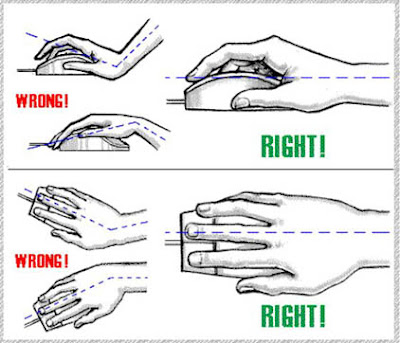
Office工作技巧系列5: 正確使用滑鼠

使用電腦時的正確姿勢

1. 最好將鍵盤至於桌下的鍵盤架上,鍵盤的高度最好能讓兩手自然的下垂,使手腕前臂及手指呈水平.參:http://studentaffairs.cgu.edu.tw/files/11-1012-1128-1.php

2. 手臂要與鍵盤和滑鼠水平, 手掌與手臂之間不要彎曲。

3. 手掌不要向左向右操作滑鼠,換句話說,手臂輕鬆下垂並與肩同寬,不要讓手臂呈現外擴或是內彎的情形, 參:http://smallpig01.blogspot.hk/2010/05/blog-post_15.html

4. 手肘與鍵盤的高度最好一致, 換句話說, 基本上你站起來的時候,膝蓋要跟座墊高度一致.參: http://163.32.129.198/winxp/RightPosWhenUsePC.html

5. 使用腕墊, 手臂及手腕之間懸空

6. 螢幕方面,你的水平視點應該是你的螢幕可視範圍的最高點; 而螢幕的平面要與你的視線成九十度垂直, 而眼睛與螢幕保持約18-28吋.參: http://163.32.129.198/winxp/RightPosWhenUsePC.html

6

6. 做多些腕伸及腕屈動作,參:http://hk.apple.nextmedia.com/international/art/20140505/18710258

7.做手腕旋轉動作:參:http://hk.apple.nextmedia.com/international/art/20140505/18710258

8. 每半小時就要休息或轉動一下手腕。

9. 腰背貼近有承托的椅背,勿留虛位

10. 桌子的空間分配方面, 有分rare zone, occasional zone, 及usual zone

2016年2月4日 星期四

莎士比亞系列5:四大歷史劇之一《Henry V》


1.故事的起: 戲劇的背景是15世紀的英國. 政治氣氛緊張, 亨利四世剛死, 亨利五世剛登基.英國人因幾次的內戰,搞到人民很不滿. 亨利五世年青時期很壞, 生活放蕩, 又偷竊,又飲酒.

亨利認為自擁有法國某些部分, 因為祖先曾經係法國的皇室成員。法國的王子Dauphin認為亨利on9,亨利於是決定攻打法國.佢有英國貴族和神職人員撐,唔怕出軍.

2. 故事的承: 亨利決定要打法國,影響了他年輕時代的朋友們,包括Bardolph, Pistol, and Nim。呢個時候傳來了亨利死黨Falstaff爵士死去的消息。

3. 故事的轉: 當亨利準備出發打仗,佢驚聞有人要陷害他的消息,原來有三個為法國皇帝做事的間諜想殺佢,亨利下令要死刑懲罰他們,其中一個係亨利以前的朋友,叫Scrope.

英國人航行出發到法國,一直節節擊退敵人。在征服Harfleur後,亨利給了一次充滿激情的演講,激勵他的軍隊繼續贏。軍隊雲栠了英國各地唔同人,包括Fluellen,一個Welsh的隊長。當軍隊繼續前行,亨利的舊朋友Nim及Bardolph被發現吸毒,亨利下令吊死佢地。

4.故事旳合: 全劇的高潮發生在Agincourt之役。這場英軍對法國的戰役出名在法國軍隊人數比英國多四倍.係戰役之前一夜, 亨利皇帝假裝成普通軍人, 去明白啲軍人的心底唸法. 第二朝,佢祈禱,並向士兵們給予演說. 奇績地, 英國贏了, 法國投降. 最後, 和平協議達成. 亨利娶了法國公主做老婆.亨利個仔做法國皇帝.兩個國家做咗親家. 

5. 《亨利五世》係1599年寫成。是莎士比亞第二套歷史劇系列最後一集(這系列包括 Richard II, Henry IV Part 1, and Henry IV Part 2)。在Henry IV中,亨利五世係一個野性及魯莽的年輕人。

6. 雖然這套劇記敍的戰爭發生在15世紀,幾百年嚟觀眾都覺得同佢地嘅時代好有關係. 即使係係莎士比亞年代,當時的伊利莎伯也同西班牙打緊仗, 另外係莎士比亞寫呢套劇個陣, 愛爾蘭人又起緊義, 伊利莎伯要派Earl of Essex去平定暴亂.

7. 英文有句叫"Band of brothers"也是從這套劇而嚟, 二戰時英國搵咗演員Laurence Olivier讀亨利振奮人心的St. Crispin's Day speech來鼓勵英國士兵戰鬥希特拉.後來亦拍成電影.

8. 不過留意亨利打法國的決定其實好有爭議性. 因此1989年Kenneth Branagh的處理則著重刻劃戰爭的殘酷. 其實打仗未必一定係好事.

9. 除了把亨利打法國的戰爭來比較英國的戰事外, 另外亨利場戰事一個好突出的地方係佢人少贏人多. 所以荷里活好多講人少贏人多的戲,例如300 (2006), Braveheart (1995) ,甚至Saving Private Ryan (1998), 也可以話係參考了Henry V. 

10. 最後講多少少Kenneth Branagh導演那套Henry V的特色.如上點所言,比1944年那個版本更加反映戰爭的殘酷.它保留了一些1944年版本比較冷酷的對白. 簡單嚟講, 其實1944年那個版本係有啲扭曲莎劇的原意: 它不是贊成戰爭的, 卻是反戰.1989年的版本較接近莎翁原意. 甚至Branagh版本的鏡頭,也是反戰的,較多捕捉殺戮戰場的恐怖.

十個西方文學時期(4):浪漫主義


1. 理性開始被揚棄: So as the 18th century continues we begin to find writers looking elsewhere for a principle or foundation or value around which to orient their lives. 

2. 情感開始抬頭,史稱浪漫主義:There is the 'sentimental movement', putting its emphasis on feeling (Sterne, for example); there is the attempt to go back to pre-Roman values in Macpherson's Ossian. In fact at this point the west could have gone back to a full-blooded Christianity. Instead, we began to look more widely for what would be truly significant. So at the end of the 18th century and the beginning of the 19th we find the emergence of what we call the Romantic Movement. 

3. 重視童年、大自然、預言、異象、想像:Again, this is a movement with partial parallels in painting (Goya, perhaps), or music (Beethoven, from one perspective). But in English poetry we would think of poets such as Blake, Wordsworth, Coleridge, Shelley, Keats. Where do they look to find that which is ultimately significant? Perhaps to childhood, considered as something pure before it is spoiled by society (Wordsworth's Prelude); or nature, considered as something wild, untamed, beyond humanity; apocalyptic prophecy, in Blake; visionary experience through drugs (Coleridge's Kubla Khan); the imagination (Keats). Romanticism offers to find what is worth writing about, what is truly significant and worthy of celebration, beyond the world of rationality.

4. 以想像代替上帝,同樣也是幻象:To the Christian, the impulse to look beyond our human world for what was ultimately worthwhile was a step in the right direction: if there really is a God, then we obviously need to hear what he has to say. But it seems that the marginalising of the God of the Bible that began in the Enlightenment continues in the mainstream of Romanticism. Instead of going back to God first, Romanticism turns often to the world of the imagination. But therefore there is always a tragic question beneath the romantic vision: Are we really finding a higher truth in all this, or are we just wandering in our own daydreams? The question is put powerfully at the close of Keats' famous Ode to a Nightingale. Keats listens to and celebrates the beauty of a bird's song. But at the end of the poem the bird is gone, and Keats asks, 'Was it a vision, or a waking dream?' Was it a vision, a momentary glimpse of ultimate beauty, or was it the kind of fantasy such as comes between sleep and waking? Have I something truly significant here, or am I just playing games with myself? As the 19th century goes on the question becomes more and more urgent. In Tennyson, for example, we find the end of this development: the sadness of a man who deep in his heart can hardly hope that what he is talking about has any reality.


***

1. Imagination (that inward eye) 

2. Nature, nature, nature 回歸自然, but not only details of nature; drink, touch nature, immerse in nature, gaze the nature; emotions aroused by nature 融情入景, ; nature teaches moral truth; nature is truth; has a mandate on nature

3. sublime, awe, 

4. Self,inner life, individualism,詩人身份, self understaning 

5. Past over present

6. Escape to the future

7. Emotion over reason; melancholy; spontaneous overflow of emotions; emotions recollected in tranquility

8. Innocence, children, simple words, simple living

9. Exotic, folk culture, middle ages

10. Common people, like peasants and shepherds, the poor/ leech-gatherer, over kings

2016年2月2日 星期二

10個在生出色的人物之1:Donald Trump


雖然好串,但佢真係好傳奇:

1. 他繼承了父親的地產事業。

2.他在紐約起了The Trump Tower,這在當時的紐約是最高的。

3. 他娶了捷克滑雪好手做老婆,非常能幹,替他管理廣場酒店。第一段婚姻維持了12年,有三個細路; 他跟著再娶了模特兒,有一個細路,婚姻維持
了6年;2004年Trump再娶.以58歲高齡再有一子.

4. 他與當年的紐約市長不和,但又惺惺相惜。

5. 紐約中央公園的溜冰場政府修葺了六年仍未竣工,佢攞嚟做,半年已經搞掂,但政府唔俾佢用個名命名。

6. 他在大西洋城起了賭場,叫泰陵姫(Taj Mahal)。

7. 他買過航空公司,但十五個月後放棄。

8. 他買過美式足球聯盟(USFL)買過一支球隊「紐澤西將軍隊」,極力推動把聯盟賽程從春季改到秋季,正面強碰職業美式足球(NFL),但後來USFL短短幾年內就因競爭失利而土崩瓦解.

9.他一直是媒體寵兒,在Home Alone 2客串過。2005年開始做真人The Aprentice.

10. 他寫了一本叫The Art of the Deal的書,曾經大賣過.

2016年1月31日 星期日

莎士比亞系列4: 四大悲劇之三《羅密歐與茱麗葉》


這套悲劇夠家傳戶曉吧?未必.

1. 故事的起: 故事的背景意大利Verona. Montagues 及 Capulets是兩大世仇, 經常開片. Verona個王子決定邊個再打架,便要殺頭.

Romeo係Montague的人, 佢鍾意個女仔叫Roasline. 同時間,Juliet係Capulet個女, 佢知道有個男仔叫Paris鍾意佢.於是Juliet屋企幫佢搞咗個蒙面舞會,想安排阿女與Paris相識. Romeo因為知道佢女神Rosaline會去個Ball, 佢便偷偷潛入去.

2. 故事的承: 係個舞會上,Romeo與Juliet一見鐘情. 可惜, 佢地來自兩個世仇家庭,這因此是悲劇的開始. 

羅密歐走去搵佢朋友Friar Lawrence (Friar=修士)., 佢估唔到Romeo變心變得咁快. 佢同意袐密幫佢Romeo同Juliet證婚,因為覺得咁樣兩邊家族可以結束世仇(age old feud). 至於Juliet,佢都有Nurse支持和幫助佢見Romeo. 著名Romeo在陽台見Juilet個幕,就係Nurse借出張長梯俾Romeo. 

第二日佢地就決定在Lawrence那裡結婚. 

3. 故事的轉: 話明係世仇, 當然無咁易和好. Romeo的表兄Benvolio同Juliet的表哥Tybalt又打架. Tybalt殺死了Mercutio, Romeo的老死. Romeo報仇, 殺死Tybalt. 王子知道事件後,驅逐Romeo出境.

Romeo藏身於Friar Laurence的家. Nurse與Friar合作幫佢地結婚. Romeo和Juliet洞房.

可惜,Juilet老豆都係安排了Juilet與Paris結婚. 

Juilet搵Friar唸辦法. 修士俾咗個屎橋佢,就係叫佢食啲草藥(類似中藥?), 昏睡42小時, 扮死. 然後等Romeo去墳墓搵佢,然後逃走.

4. 故事的合: 好衰唔衰, Romeo與Friar失去聯絡(當然無手機). 佢以為Juliet真係死咗. 因此佢先去殺Paris,然後與Juilet屍體共存一段時間, 跟著係佢身邊服毒.

Juilet係Romeo飲完毒藥之後醒咗,佢自己又自殺. 

兩家人最後真係因為呢單野,結束世仇,真夠諷刺. 

5. 《羅》劇是莎士比亞當劇作家初期寫的故事, 亦是文學歷史上最偉大的愛情故事.

6. 可能因為青年人容易明白愛情,《羅》是莎劇中與Julius Caesar一樣係中學生入門研習的莎劇.學生透過《羅》,學習一點維多利亞時代的戲劇,莎士比亞的語言,及情詩.除了係中學生最容易認識的戲劇外,亦是世界各地劇團最常演的劇目,相信係因為故事最淺白.

7. 另外,係電影方面,《羅》亦是最常被改編的戲劇.1968年, Franco Zeffirelli的Romeo and Juliet贏了奧斯卡. 1967年, West Side Story改編自Romeo and Juliet. 流行曲亦有 Taylor Swifth的 "Love Story," Dire Straits' "Romeo and Juliet". 而其實, 一切被禁止的愛情也可以追溯Romeo and Juliet, 例如Wuthering Heights 或 Twilight.

8. 有些人覺得《羅》只是關於青少年衝動的愛情. 但事實上, 有甚麼愛情沒有衝動、不理性的成份? 或者說, 有甚麼的愛情,只講理性?我們都沒有羅密歐和茱麗葉那麼浪漫, 約會一次便私奔, 但我們的愛情也是不理性的.《羅》其實探討了愛情的本質, 即係浪漫與現實的衝突. 只係我們的現實不是家族世仇或父母安排了婚姻,但可以是其他阻止愛情繼續的問題, 例如是子女的教養問題, 財政的問題, 或其他相處的問題. 因此, 《羅密歐與茱麗葉》之所以歷久不衰, 因為它的主題實在偉大.

9.   大致上, Romeo and Juliet都係以詩句寫成. 舉前言 (Prologue)作例子: 

Two households, both alike in dignity
(In fair Verona, where we lay our scene),
From ancient grudge break to new mutiny,
Where civil blood makes civil hands unclean.
From forth the fatal loins of these two foes
A pair of star-crossed lovers take their life; (Prologue.1-6)

莎翁都係用傳統的iambic pentameter,即係一行有5對、10個音節 (pentameter), 而每對音節係unstressed, stressed (iambic): 

in FAIR | VerON | a WHERE | we LAY | our SCENE


where CIV | il HANDS | make CIV | il BLOOD | unCLEAN

雖然呢句唔係:

From AN | cient GRUDGE | BREAK to | NEW MUT | ti NY

10. 最後一提係1996年個套Romeo + Juliet, Kenneth Branagh導演.呢套戲吸引人不單因為由當時只有17歲的Claire Danes做Juliet和22的 Leonardo DiCaprio做男主角, 呢點當然吸引,但更重要係, 導演將莎翁呢套經典的背景, 搬咗去巴西, 作咗一個現代演繹, 證明經典歷久不衰.   

10個西方文學時期3: 理性時代


1. 文藝復興好快轉入了理性時代: We may see the Reformation as the first phase in this process. But at the end of the seventeenth century there came a strong reaction against much that the Reformation had stood for. Thus we move into the period we call the Enlightenment. 

2. 人的理性代替了上帝的權威: What was the Enlightenment? Very generally, we may describe it as a period in which many key thinkers turned away from building their thought on what God said in his revelation, and instead put a great emphasis on human reason, and also on what is 'natural'. Now, Christians who worked on the basis of the Bible (and particularly in the Reformation tradition) have always insisted that human reason has a fundamental problem. The idea is a little like the Marxist concept of 'ideology': there is a deep bias in our thinking that affects our beliefs. And so it is very hard for us to think clearly and accurately about God, because as we do so we tend to try and protect our independence; ideologically, we want to believe whatever will preserve our autonomy from God. But what the thinkers of the Enlightenment were doing was denying that the problem existed. (Indeed, when we come to Kant we find 'autonomy' exalted into a principle that is absolutely good.) 

3. 人相信自己的理性可發展理想的社會:Human rationality will lead us into a new dawn of civilisation, they suggested; if we live according to what is reasonable, we can expect our society to work out right. 

4. 文學上表現出一種樂觀主義:We can see this optimistic philosophy reflected particularly in much of the work of the great poet Alexander Pope, perhaps the most important British poet of the early eighteenth century. There is the same easy confidence in a novelist like Henry Fielding, author of Tom Jones, and other writers, painters and musicians of the movement that is known as 'neo-classicism'. 

5. 或稱新古典主義,因為希臘羅馬時代同樣相信理性: The rediscovery of the Graeco-Roman classical heritage tended to function as an alternative to Christianity's insistence that man needed a radical rescue: it was basically humanistic in tendency, reinforcing the optimistic confidence in human rationality and in his ability, just operating naturally, to build the society that we need.

6. 但後期發現理性製造混亂,甚至是破壞性的: But as the 18th century wore on there began to be doubts as to whether it is true. There began to be bad dreams. At the end of Pope's Dunciad, indeed, we find a nightmare of chaos overcoming human society, and the closing words are 'universal darkness buries all'. Where there should be rationality, where there should be the clarity of the human mind working out all our problems, we find that people are not reasonable, and ultimately night falls on humanity. The terrible final book of Swift's Gulliver's Travels is a parallel nightmare: human beings, devoid of reason, turn out merely to be animals wallowing in the mud. At the end of both these 18th century masterpieces we sense the same fear: what if people are not and cannot be trusted to be reasonable? What if we are, by nature, inherently destructive?

2016年1月25日 星期一

莎士比亞系列3: 關於《王子復仇記/哈姆雷特》的十件事


1. 莎翁最出名的名句 "To be or not to be, that is the question"便是出自Hamlet.

2.情節的起: 故事發生在丹麥. 前度皇帝剛駕崩, 他化死鬼魂. 他就是Hamlet的父親。Hamlet不知誰殺死他父親,總之他發現新皇帝是他的阿叔Claudius. 佢阿媽Gertrude好快又再嫁俾Claudius. 這個時候挪威的王子Fortinbras正準備攻打丹麥。

Hamlet有個老死叫Horatio,佢話會安排Hamlet問米,同佢老豆見面。佢老豆隻鬼返嚟話係Claudius殺咗佢,叫佢幫佢報仇。

3.情節的承: 你係Hamlet的話你會點做?殺你阿叔?大逆不道喎。Hamlet唸到一招,就係扮儍。Hamlet女友Ophelia於是宣佈,Hamlet儍L咗。

Ophelia阿爸叫Polonius,係Claudius的近臣.佢同皇帝話Hamlet顛咗,於是佢地策劃搵間諜調查Hamlet儍咗係咪因為Ophelia. 這時, 一些丹麥註挪威大使從挪威回來,報說暫時不會跟挪威打仗.Rosencrantz和 Guildenstern是Hamlet和Horatio的兒時朋友。皇帝皇后叫佢地做間諜,調查Hamlet發顛的原因,但佢地查唔到。

這個時候,一些演員出場,Hamlet委託佢地做一場戲,就係佢老豆被阿叔Cladius殺的情節. 哈姆想睇Claudius的反應,睇下隻鬼講嘅係咪真.

4. 情節的轉: 就係做戲個陣,哈姆說出「To be or not to be, that is the question」.他詐儍扮矇,當知道佢阿叔個反應顯示佢真係佢嘅殺父仇人後,佢想殺Claudius,但反而佢錯手殺咗佢未來外父Polonius. Claudius送哈姆去英國,佢係途中遇上挪威王子Fortinbras,他準備去丹麥打仗.哈姆決定返番丹麥.

死咗老豆的Ophelia變瘋了.這同時激怒了佢細佬Laertes. Claudius於是說服佢安排與哈姆比劍, 順手殺咗佢. 條橋就係係劍上落毒, 而唔係用「挖頭劍」.

Ophelia自殺死咗, 哈姆與Laertes有一場激戰. 哈姆返英國途中,發現佢兩個同伴Rosencrantz 與 Guildenstern帶著一封說要殺死他的信,佢逃走返丹麥.

5.情節的合:哈姆與Laertes決戰. 哈姆不知Laertes預備咗酒,但最後中毒的卻係哈姆個阿媽, Gertrude. 雖然Laertes用毒劍刺到哈姆,但最後哈姆用番佢支毒劍殺左佢. 臨死前Laertes爆大鑊係Claudius指使佢咁做, 因此哈姆再用毒劍殺左佢阿叔.

哈姆老死Horatio也想自殺,但哈姆叫佢唔好死, 惟有佢才可將哈姆的故事同人講. 結尾挪威王子Fortiinbras攻入丹麥, 佳上皇位保座. 

6. Hamlet在文學史上的重要性在於, 它開始探討人類內心的掙扎(man vs himself), 而不只是人與人之間的衝突(man vs man). 可以說Hamlet是現代主義的開始. 在莎士比亞的年代,戲劇通常遵循亞里士多德的《詩學》,即戲劇應該注重劇情,而不是人物。在《哈姆雷特》當中,莎士比亞翻轉了這一規則,將重點放在了獨白,而不是劇情上,這樣觀眾就可以獲悉哈姆雷特的動機和思想.

7. 大陸導演馮小剛2006年的電影《夜宴》和迪士尼電影Lion King,也是改編自Hamlet. 

8. 《哈姆雷特》其中一個很特別的主題係不確定性. 全戲的高潮位雖然係Hamlet殺佢弒父仇人Claudius,但問題係Hamlet一直拖延殺佢的時候.為什麼呢?因為他一直唔肯定Claudius係佢弒父仇人. 哈姆一直在發問, 例如: 鬼係可信嗎?無證人之下,點確定佢阿叔殺咗佢老豆?從Claudius睇戲的反應就可推斷佢就係殺父仇人?

9. 當哈姆說出其著名句子: To be or not to be時,佢唸緊個樣野叫自殺。哈姆認為,人間太痛苦,自殺係最好的解決,但基督教不准許自殺,因此哈姆不自殺因為呢個道德考慮。引申開去,其實人間每個決定要考慮的因素太多,所以猶豫係可以理解的。

10. 另外一個主題,係大男人主義(misogny)。哈姆因為佢阿媽嫁叔叔,變得憎恨女人。佢叫女朋友Gertrude去修道院,而不要被性愛引致腐敗。他說:「脆弱,你的名字叫女人。」( “Frailty, thy name is woman” (I.ii.146).)


2016年1月22日 星期五

中文應用文系列2: 答覆投訴


1. 右上角政府地址

2. 本署編號、來檔編號

3. 收件人地址、機構名、收件人姓名+稱謂

4. 上款

5. 標題: 投訴灣仔政府合署升降機大堂24小時照明

6.第一段: (先客氣一番)蒙貴報關注灣仔政府合署的用電問題,並專文報道,謹此致謝。

7. 第二段:  (解釋)根據本署調查所得資料,上述政府合署其中三層的升降機大堂,實有通宵照明的必要,原因如下:
a)十二樓的機電工程署24小時均有職員值班工作;
b)十三樓的路政署必須通宵提供電話侯命服務;
c)十六樓的灣仔政務處,全日均有職員輸班當值,負責緊急事故控制中心24小時的操作。

8. 第三段:(再解釋) 事實上,灣仔政府合署各層的升降機大堂,在陽光充沛的日子,都盡量節省燈光,而且大樓的管理員在每日下午六時三十分左右巡視各層時,如發現升降機大堂無人使用,亦會關掉照明系統。

9. (再多謝)本署向來注重善用資源,避免浪費公帑。多蒙貴報關注,日後定會倍加留意。

10. 下款及日期:政府產能署署長 (李XX代行)

2016年1月19日 星期二

中文應用文系列1: 一般格式


1. 右上是寄信人地址,如果係公司,應該有印咗公司地址的信紙.

2. 公函的緊急程度會在右上角反映,例如是否掛號、是否機密. 

3.左上,未寫收信人地址前,如果係政府信,會有本署檔號,及來函檔號.

4.接住寫收信人地址、機構、姓名加稱謂.稱謂方面有六種:

a. 梁一鳴先生
b. 俞諍小姐(未婚)、汪明荃女士(未婚或已婚)
c. 陳可兒君(唔知男定女)
d. 鍾樹根議員、黃嘉琪博士(榮銜)
e. 李國章主席、石內卜教授、葉文娟署長(職銜)
f.  劉勵超署長先生(職銜加尊稱)

5.上款不用全名,只用姓. 有四種:

a. 梁先生, 陳小姐(姓+尊稱)  
b. 鍾議員, 黃博士(姓+榮銜)
c. 李主席,石教授(姓+職銜) 
d. 主席先生, 各位市民 (不知收件人姓名)

注意, 中文的上款後,用冒號,不是逗號.

6.標題,underlined。例子:「價值觀教育教師網絡」計劃、一九九五年公民教育意見調查、查詢水費是否收訖等

7.內文兩至三段,第二段開始可標註段數。

8.政府信函通常是由首長授權屬下代行。所以下款應先寫XXX署長/局長,再在下一行括住XXX代行

9.可能有附件,例如:XX表格/程序表/XX議程一份

10.日期在最後一行